
Arrest Warrants in Greenwich Town
An arrest warrant in Greenwich Town is a judge's order allowing police to take a named person into custody. It does not come from the Town itself. Police gather the facts. A prosecutor reviews them and may apply. A Superior Court judge makes the final call, and the Connecticut Division of Criminal Justice lays out that route step by step. The judge must find probable cause, a sound factual basis to believe an offense occurred and that this person took part. Greenwich criminal matters ordinarily go to Geographical Area No. 1 at Stamford, known as G.A. 1. Local police may build the whole case. The warrant still comes from state court. Once signed, it authorizes custody, and the charge proceeds through service, processing, release review, and arraignment.
Greenwich Arrest Warrants: Police to Judge
Greenwich Town splits this work three ways. Greenwich Police gathers reports, interviews, and other evidence. A state prosecutor reviews that file. Only a judge can sign. A police report alone is not a warrant. The official prosecution workflow confirms that Greenwich Town arrest warrants come from state court, not a county sheriff or town court. That split matters later, too. A record request to police cannot recall a warrant, because Superior Court controls its own order once issued; the prosecutor presents facts, but the judge holds the power to arrest.
What a Greenwich Town Arrest Warrant Contains
Most people see a case display, not a stand-alone warrant card. A Connecticut docket number can carry a court-location prefix, case-type code, two-digit year, sequence, and suffix. S01S-CR-25-1234567-S is a sample, not a live case. For a Greenwich Town matter, the G.A. 1 clerk can connect the docket to the warrant.
| Docket or identifier | Links the case to court location, type, year, and sequence. |
|---|---|
| Named subject | Identifies the person covered by the order. |
| Charge | States the alleged offense and may show its statute or class. |
| Issuing court | For most Greenwich matters, Superior Court G.A. 1 at Stamford. |
| Release terms | May show cash, surety, written promise, or another condition. |
| Service and status | May be split between court and police systems. |
The application, affidavit, return, and docket do not all become public at once in Greenwich Town. Protected details can be redacted.
Greenwich Arrest Records After Service
Connecticut General Statutes §1-215 opens part of the record after an arrest. The public pieces may include identity, the time and place of arrest, the offense, and, for a warrant arrest, the application and affidavit. Some parts stay withheld. Sealed portions, juvenile information, victim or witness details, and active-investigation facts can all be cut. The Greenwich FOIA guidance directs requesters to the department that keeps the record. Greenwich Town leaves each arrest record with its holder.
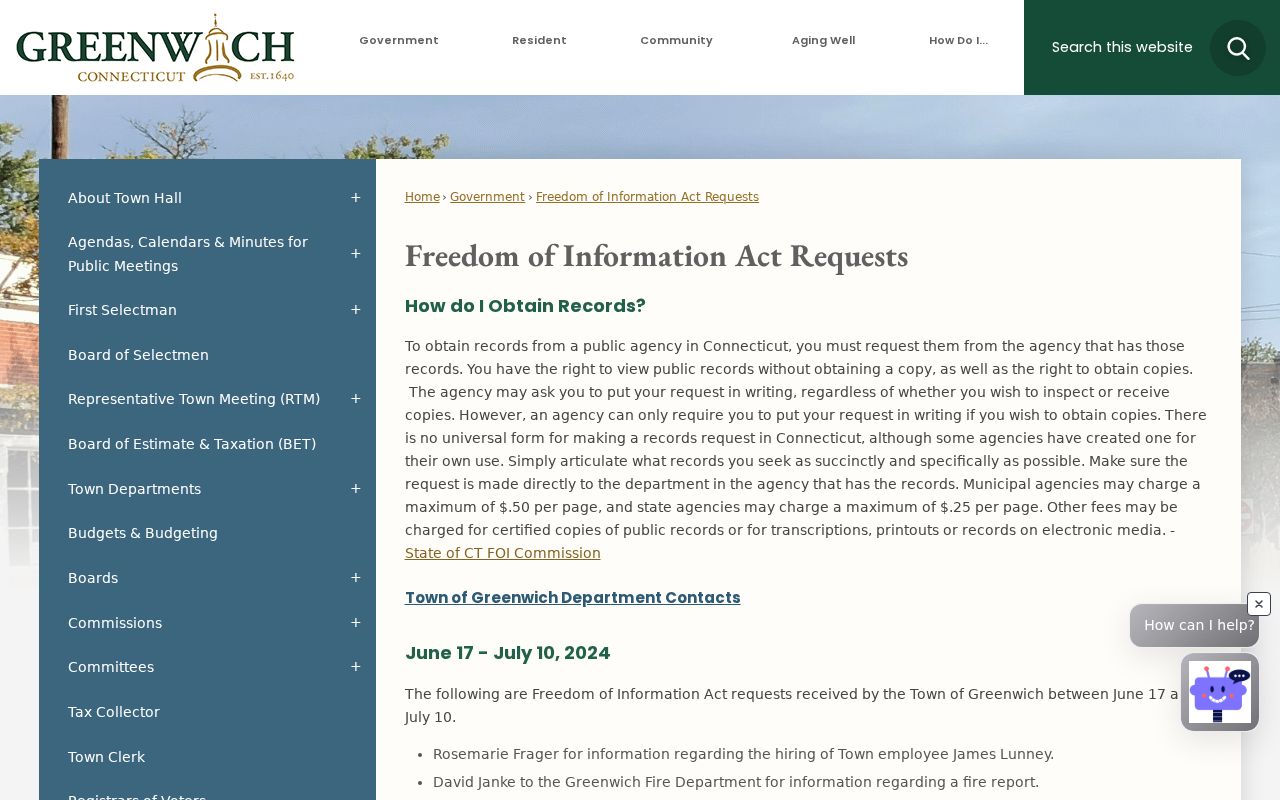
A FOIA request only fetches existing records. It is not a Greenwich Town warrant status check. It cannot cancel court or police process, and a blank reply may mean a seal, an active case, timing, or the wrong office.
How Greenwich Town Arrest Warrants Are Served
Greenwich Police can serve a Greenwich Town arrest warrant directly. So can another Connecticut agency. State Police or a task force may assist if the person turns up elsewhere. Behind the scenes, the state runs two systems. PRAWN, the Paperless Re-Arrest Warrant Network, handles electronic creation, management, service, and status work on warrants. COLLECT connects authorized agencies to PRAWN and other law-enforcement files. Neither system gives the public a Greenwich Town warrant lookup. After the arrest, police process the person and apply release terms set by law or court order. The next event may happen at G.A. 1. A judge can impose a written promise to appear, cash or surety bond, or another condition. Service ends the unserved phase of a Greenwich Town arrest warrant. It does not dismiss the charge. Court proceedings continue. Service may follow a planned surrender, a routine police contact, or cooperation between agencies, and Greenwich Police releases have documented outside-agency arrests and cross-jurisdiction returns without creating any public roster. The serving agency reports the arrest while the court logs the next event and release terms, and those records may update at different times.
G.A. 1 Confirms Greenwich Arrest Warrant Status
Start with the pending criminal case search for a Greenwich Town matter. A last-name prefix is required, while the first initial, birth year, and year range are optional. Pick Stamford Geographical Area 1 and Criminal. Results carry a timestamp. The Judicial Branch cautions that they are not the official court record. The G.A. 1 clerk at 123 Hoyt Street, Stamford, confirms status at 203-965-5208, and the G.A. staff directory supplies routing information.
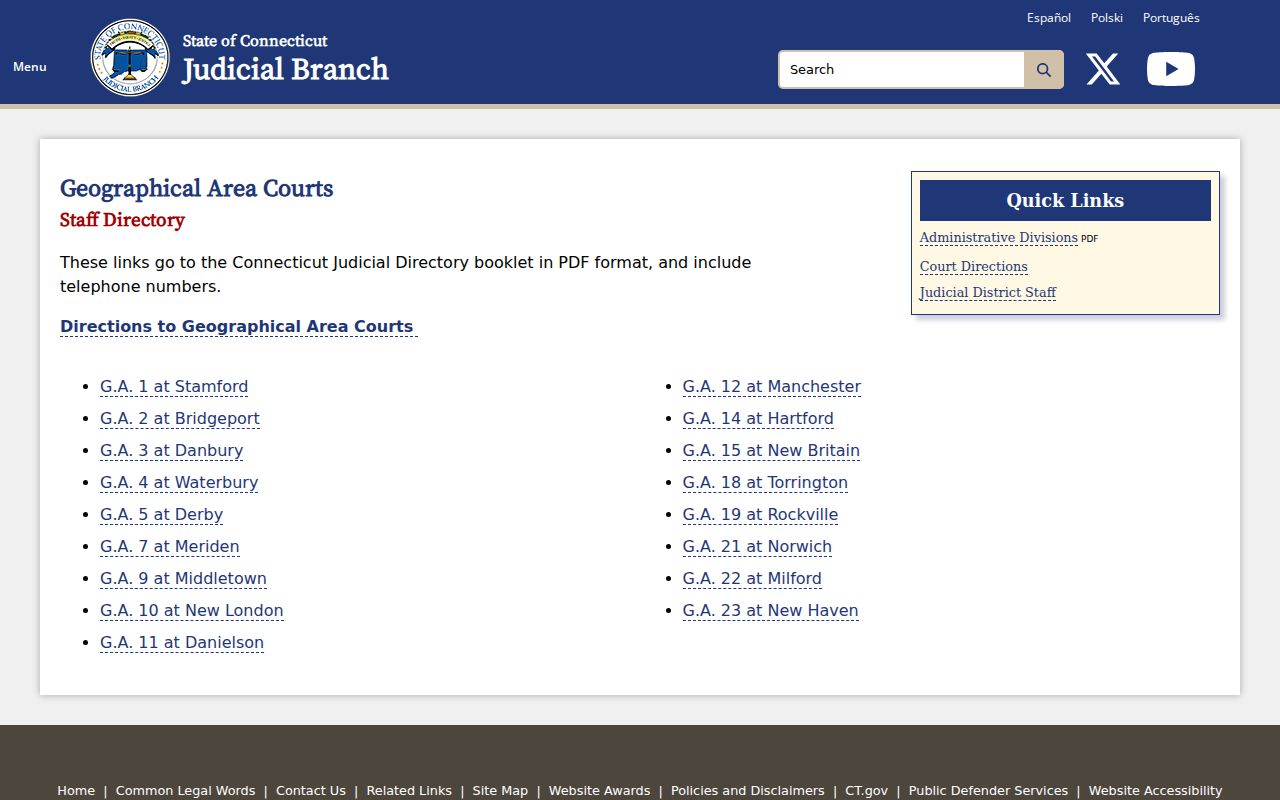
Have your details ready. Bring the docket, full name, birth year, and any police number, and ask whether the court shows a Greenwich Town arrest warrant, capias, rearrest warrant, bond, or next appearance. A clerk explains records and procedure, not law.
Greenwich Arrest Warrant vs Summons vs Bench Warrant
In Greenwich Town, each paper creates a different duty. An arrest warrant orders custody on probable cause. A summons directs a person to appear without arrest first. A bench warrant or capias is court process, often tied to a missed appearance or breach of an appearance order, and Connecticut also uses a rearrest warrant after some release violations.
| Feature | Arrest warrant | Summons | Bench warrant |
|---|---|---|---|
| Main command | Take the person into custody | Appear on a date | Return the person to court |
| Usual basis | Probable cause | Charge without initial custody | Missed court or breached order |
| Issuer | Superior Court judge | Authorized court or official | Superior Court or judge |
| Response | Confirm and plan surrender | Appear as directed | Address the missed duty |
An ignored Greenwich Town summons invites the bench warrant.
Greenwich Court Status Is Not Service Status
An online docket line rarely says whether a Greenwich Town arrest warrant is still unserved. Court staff keep orders and docket entries. Police systems track service and alerts. The state's PRAWN and COLLECT databases sit behind logins for authorized users only. A public display can lag badly. It may skip a sealed application, or show a case event with no separate warrant field. So chain your channels. Search the Judicial Branch case system, then confirm with the G.A. 1 clerk. For a Greenwich Town Police record or routing question, call Records at 203-622-8024 or non-emergency at 203-622-8004. A targeted records request can take five to seven business days. It may exclude active-investigation material. When direct contact risks arrest, counsel can speak with the court and police for you.
Greenwich Arrest Warrant Surrender Planning
Don't walk in cold. Greenwich Town offers no standing walk-through schedule, no guaranteed same-day court transfer, no fixed bond window, and no universal property list. Older local accounts describe headquarters processing and court transport, but none of that is a current promise. Call counsel, G.A. 1, and Greenwich Police first. The official courthouse directions identify the building that handles Greenwich criminal matters.
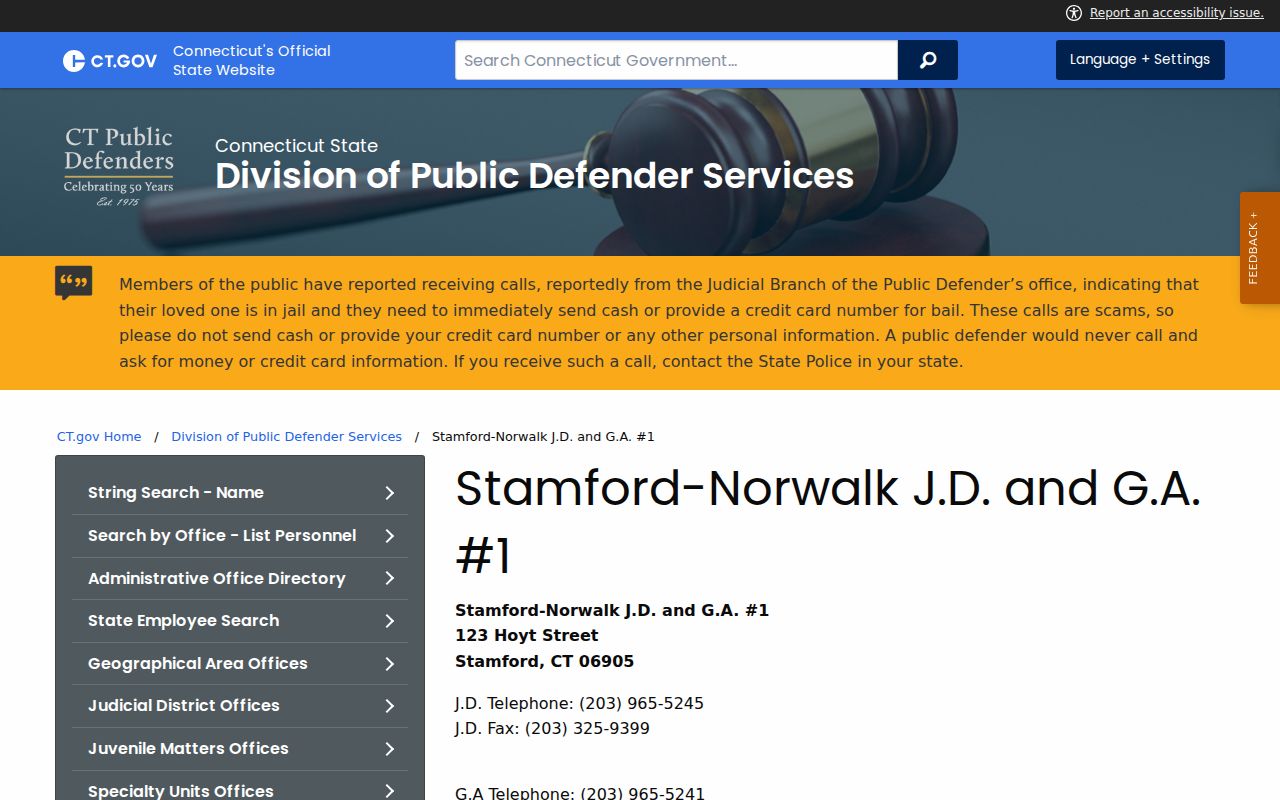
Ask first. Is bond set? Can transport happen same day? Also ask Greenwich Police where processing occurs and what rules cover identification or medication. An attorney can plan the route and flag any available motion.
What to Do If There Is a Warrant for You
Start with the issuing court. Get the docket number. A blank web result is not clearance, so ask G.A. 1 what status shows, whether bond or release conditions exist, and what appearance is required. Counsel can weigh surrender, a court motion, or other relief. Bond buys release while the Greenwich Town case continues, but it does not erase the charge.
- Search the official lookup with Stamford G.A. 1 and Criminal selected.
- Call the clerk with the docket and identifying details.
- Speak with an attorney or public defender when eligible.
- Arrange surrender or an appearance as directed.
- Obtain the docket entry showing service, recall, or the next step.
Important: Get legal advice before surrender; an active Greenwich arrest warrant can be served during any lawful police contact.
Only the issuing judge can recall or quash a warrant; GPD Records cannot. Quashed means set aside by court. The charge itself may remain. After service or recall, keep the court order and check the docket again. A bond secures future appearance. It does not end the prosecution. Spot a stale public display? Raise it with the clerk who created the record. Want a police arrest report? File a focused Greenwich Police request, using the CFS or police case number when you have it. For the warrant application or affidavit after an arrest, ask which office holds the public copy and whether a seal or redaction applies. Clearing a Greenwich arrest warrant does not erase the arrest or the case. Erasure and sealing are separate legal questions. Counsel can sort those out without confusing them with your immediate duty to appear, surrender, or obey release terms. The Greenwich warrant records overview shows how these local channels fit together.
Preserve Greenwich Arrest Warrant Proof
Keep the whole set. The warrant, bond sheet, release terms, court notices, and later docket entries together show what duties remain after service and help G.A. 1 trace a stale Greenwich Town status.