
Municipal Court Warrants in Greenwich Town
The core fact is easy to state: Greenwich Town has no municipal criminal court, so no local bench exists to issue arrest, traffic, ordinance, or failure-to-appear warrants. Connecticut runs all trial work through its Superior Court, and the Geographical Area courts carry the criminal and motor-vehicle caseload. G.A. 1 at Stamford serves Greenwich Town along with Stamford and Darien. That means a hunt for a Greenwich Town municipal court warrant has to become the right state-court question. A criminal warrant, bench warrant, capias, or transferred motor-vehicle case usually belongs at G.A. 1. A payable ticket may still sit with the Centralized Infractions Bureau, while town parking runs through a municipal administrative process rather than any criminal warrant court. The phrase describes the worry, not a Greenwich Town office that exists.
Greenwich Has No Municipal Criminal Court
Plenty of states let city courts hear ordinance and traffic cases and hand out their own warrants. Connecticut is not one of them. The Connecticut Judicial Branch court map puts all trial work in Superior Court, and G.A. 1 carries the local criminal and motor-vehicle load for Greenwich Town. The official warrant and capias statute rests on that same state authority.
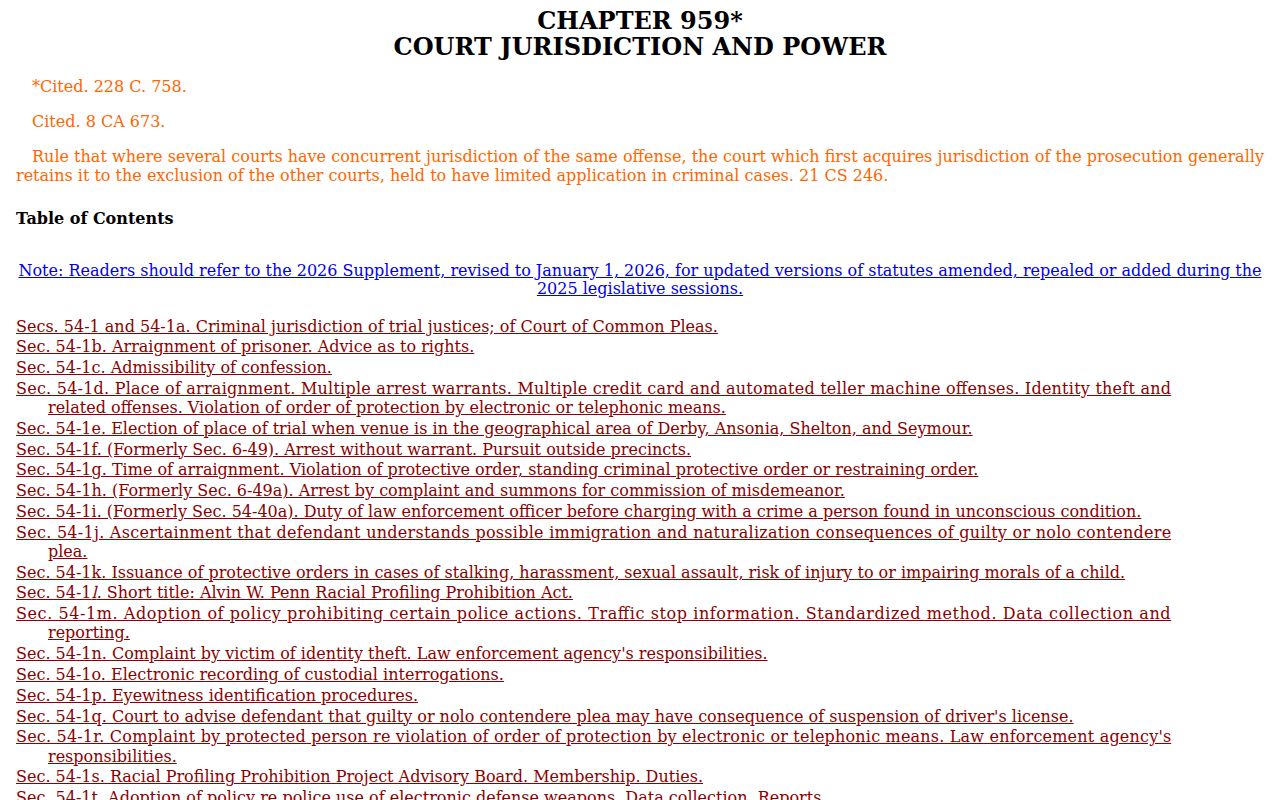
This correction saves a resident from calling a Greenwich Town criminal clerk who does not exist. It also separates court process from the Town's Parking Services and Police Records desks. Neither Town office can recall a Superior Court warrant. The state prosecution overview lays out the prosecutor and judge roles.
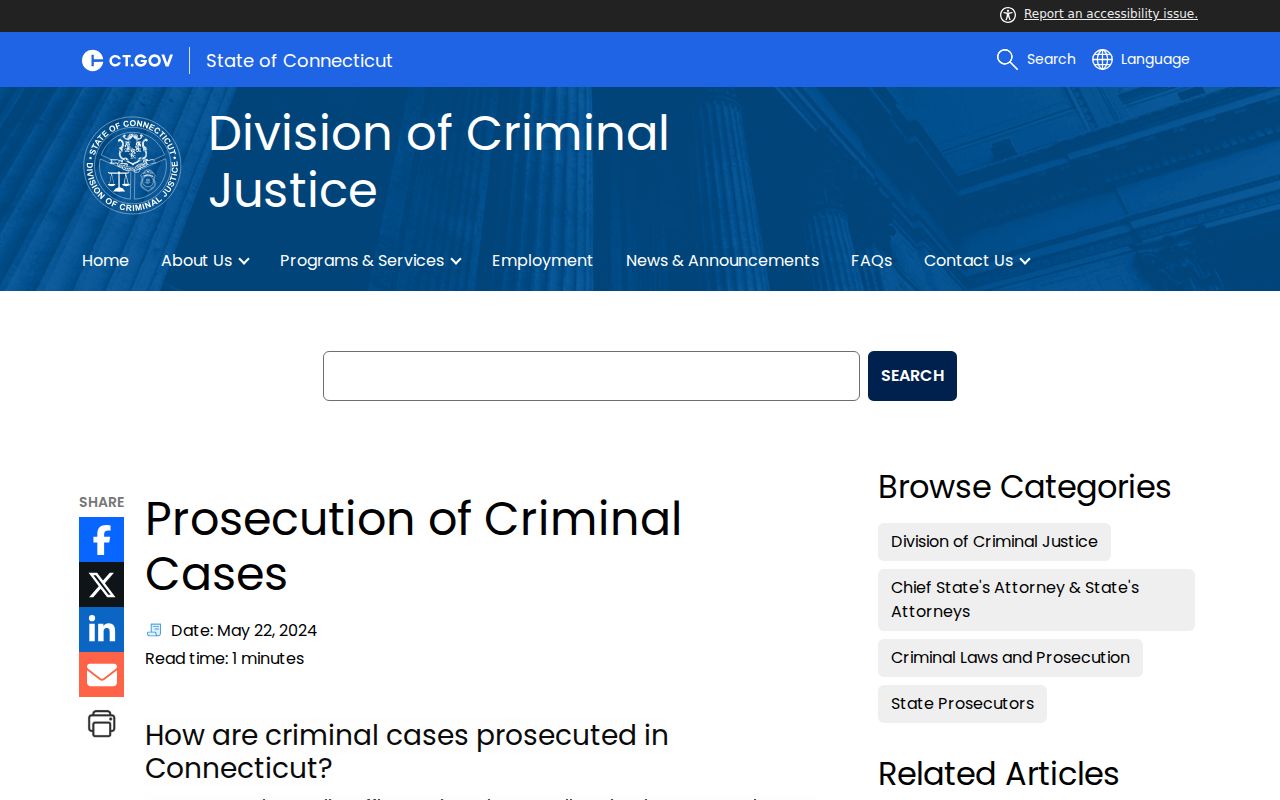
Town police in Greenwich Town investigate, but the judicial warrant path belongs to state prosecutors and Superior Court.
Which Cities Have Municipal Courts
No Connecticut municipality runs its own criminal trial court. Greenwich Town cases route through the state system. The fair comparison is among offices, not among city courts.
| Place or office | Actual role | Warrant authority | Contact |
|---|---|---|---|
| Greenwich Town | Parking and other local administration | No municipal criminal warrants | Use the office on the notice |
| Greenwich Police | Investigation, service, police records | Does not recall court process | 203-622-8004 non-emergency |
| Superior Court G.A. 1 | Criminal and motor-vehicle cases | Issues and controls court warrants | 203-965-5208 clerk |
| CIB | Initial payable ticket processing | Transfers unanswered matters | 860-263-2750 |
The issuing court controls status even when police later serve the warrant.
G.A. 1 Handles Greenwich Warrant Cases
G.A. 1 sits at 123 Hoyt Street, Stamford, CT 06905, and it handles criminal and motor-vehicle matters for Greenwich Town. The clerk answers at 203-965-5208, and judicial marshals can be reached at 203-965-5386. Marshals run courthouse custody and security. They are not a county sheriff's warrant division, because Connecticut has no county sheriff system at all. Greenwich Police and partner agencies serve criminal warrants, while G.A. 1 keeps the case file and controls judicial status. Before calling, gather the full name, birth year, docket or ticket number, and any notice you received. Ask whether the record shows a bench warrant, capias, rearrest warrant, failure to appear, bond, or a next court date. Clerks will explain procedure. They cannot give legal advice.
How to Check a Municipal Court Warrant
With no Greenwich Town municipal criminal court, the practical move is checking the actual custodian for each matter. Use the state court lookup for a pending criminal or motor-vehicle case, and the ticket portal when a complaint ticket is still with CIB. Ask G.A. 1 to confirm, since the online case display is not the official record.
- Search the pending case system by last-name prefix.
- Select Stamford Geographical Area 1 and Criminal or Motor Vehicle.
- For a ticket, use the CIB portal with ticket number, check digit, and surname prefix.
- Call G.A. 1 at 203-965-5208 to confirm warrant and bond status.
- Call Greenwich Police Records at 203-622-8024 for a police document, not a recall.
PRAWN and COLLECT are operational law-enforcement systems, not public name-search channels. When a row appears, note its court, docket, category, and next event. When nothing appears, do not read the screen as proof that no warrant exists. A new or sealed matter may not display, and another court may hold it. Confirm with the clerk named on the notice or record.
Greenwich Motor-Vehicle Cases Use State Courts
A Greenwich Town traffic ticket starts at CIB. Paying, pleading not guilty, or using Online Ticket Review may all be open before the Answer Date. Ignore the ticket and the matter can transfer to court, and a motor-vehicle case can trigger a DMV suspension. Certain non-motor-vehicle infractions can even lead to an arrest warrant and bond once transferred. People often mistake that sequence for municipal court work because the ticket was written in Town. The issuing officer and the court are separate things: Greenwich Police writes the citation, CIB processes the early stage, and Superior Court handles a transferred case. The Greenwich traffic warrant route walks through the court-record and reopening steps in depth. Note: A DMV suspension is an administrative consequence, not the municipal warrant record itself.
What a Greenwich Municipal Court Warrant Shows
There is no Greenwich Town municipal warrant card. What you can actually get is a Superior Court docket, a ticket record, a police document, or a court order. A sample court number looks like S01S-CR-25-1234567-S, built from location, case type, year, and sequence. It is not a live docket.
| Court location | Usually Stamford G.A. 1 for Greenwich criminal and motor-vehicle cases. |
|---|---|
| Docket or ticket | Identifies the state court case or CIB complaint ticket. |
| Warrant type | May be an arrest warrant, bench warrant, capias, or rearrest warrant. |
| Trigger | Can involve probable cause, missed court, or breach of an appearance order. |
| Bond or release | Shows judge-set terms when public and applicable. |
| Current action | May show service, recall, appearance, transfer, or another docket event. |
The clerk must explain whether an online event means the warrant is still active.
Greenwich Court Records and FOIA Limits
Connecticut's Freedom of Information Act covers public-agency records. Court and police access follow different rules. The current access statutes allow exemptions for juvenile information, protected witnesses, active investigations, and facts that could harm a prospective law-enforcement action.
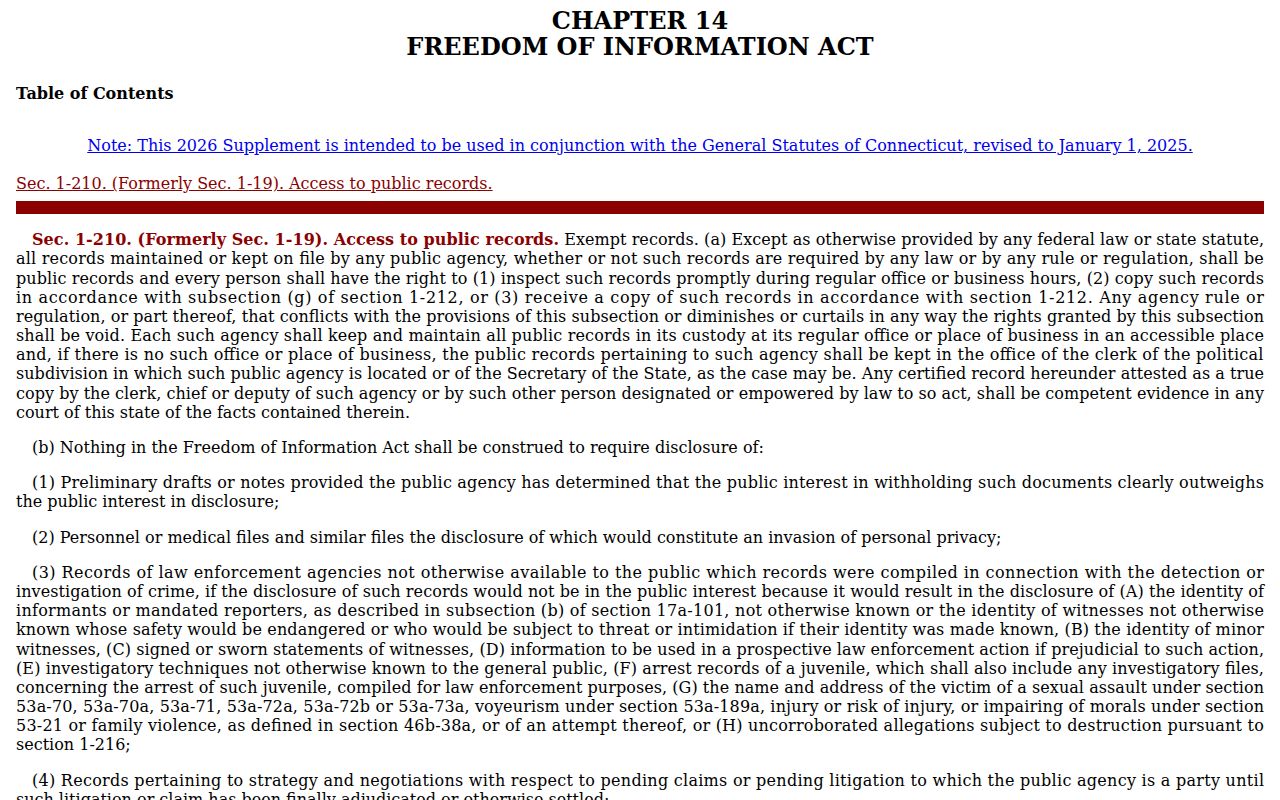
A records request can still come back redacted or denied even when a court process is real, and the rules posted by Greenwich Police explain why. The department runs an online request form, a records phone line, and a counter at 11 Bruce Place. Records hours are Monday through Friday, 8:30 a.m. to 4:15 p.m., and most requests take five to seven business days. Remember, that route is not a live warrant check.
Capias Questions Are Not Town Court Cases
Connecticut General Statutes §54-2a lets a judge issue a capias when a defendant breaks an order tied to a court appearance, and the paper tells an officer to bring the person in. Some Greenwich dockets also carry the label rearrest warrant after a missed appearance or a release violation. In a Greenwich Town criminal case, Superior Court runs that process. Other capiases travel a different road. Support and contempt matters sit with the Family Support Magistrate or Superior Court family sessions, and state marshals can execute a civil capias or capias mittimus before handing custody to judicial marshals. None of those are Greenwich Police municipal court warrants. So ask first. Which court issued the paper, and is the docket criminal, motor vehicle, family support, juvenile, or civil? The answer decides whom to call.
Key point: The issuing Superior Court, not a Town office, controls whether a Greenwich capias is active, recalled, or satisfied.
Resolving a Municipal Court Warrant
Fix the real state-court matter, not the label. Start by confirming the docket and the issuing court. Then ask about the warrant type, the bond, any required appearance, and whether a lawyer can arrange a surrender or file a motion. Greenwich Police has no power to cancel a G.A. 1 order, and paying a Town parking ticket will not clear an unrelated criminal capias.
- Identify whether the issue is criminal, motor vehicle, CIB, parking, family, or civil.
- Confirm the docket and status with the responsible clerk.
- Seek counsel before surrender when arrest is possible.
- Appear, post the set condition, reopen the case, or file as directed.
- Obtain the order or docket entry showing recall, service, or the next step.
Posting bond gets you released, and the case goes on from there. That is all bond does. A motion can still ask a Greenwich Town judge to recall or quash the warrant, though no flat recall fee or walk-in program exists here.
Do not guess: Call G.A. 1 before visiting Greenwich Police because no standing Town warrant surrender schedule is published.
Once the required act is done, go back to the same court for proof of the new status. A police record, a parking receipt, a CIB payment, and a Superior Court order each answer a different question. On a criminal or motor-vehicle warrant, the docket entry or judge's order is the confirmation that counts. A family-support capias points to the family or support office named in the court directory. Civil paper means asking about the issuing court and the state-marshal process. Federal process goes to the District of Connecticut and to counsel. Living in Town never turns any of these into a Greenwich municipal criminal case. Good routing saves time. It also keeps a payment or request from reaching an office with no power to change the warrant.
Preserve Greenwich Court Routing Records
Keep every notice, ticket, court docket, and response you receive. Those Greenwich labels tell you whether the next question belongs with CIB, G.A. 1, Greenwich Police Records, Parking Services, or another Superior Court function.